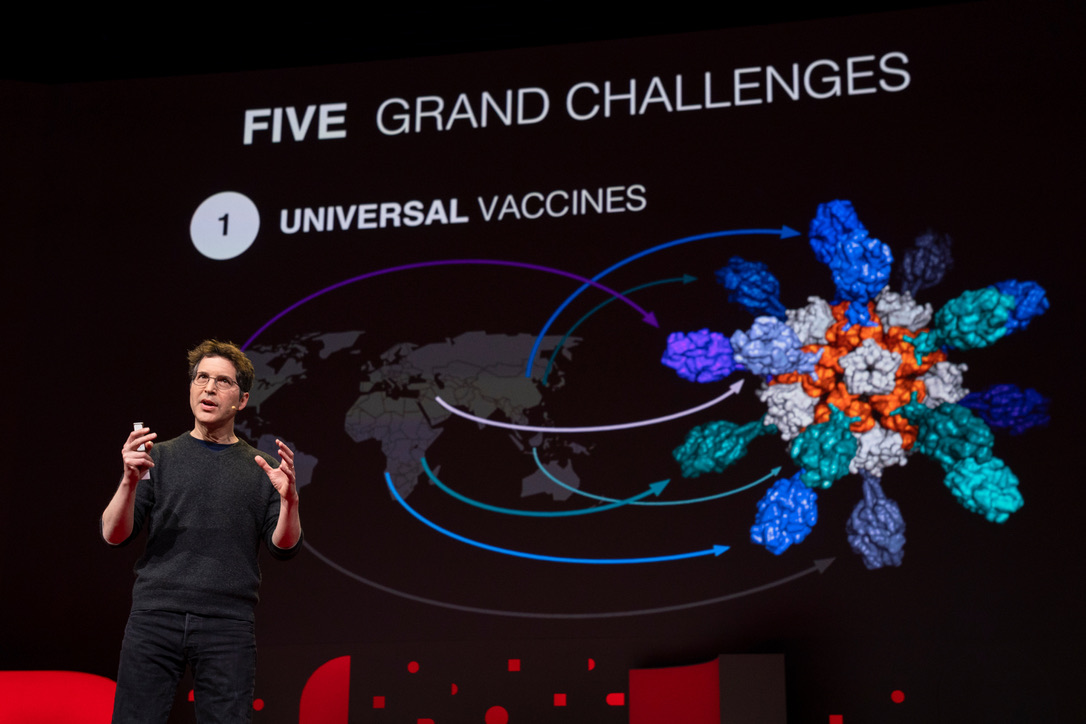
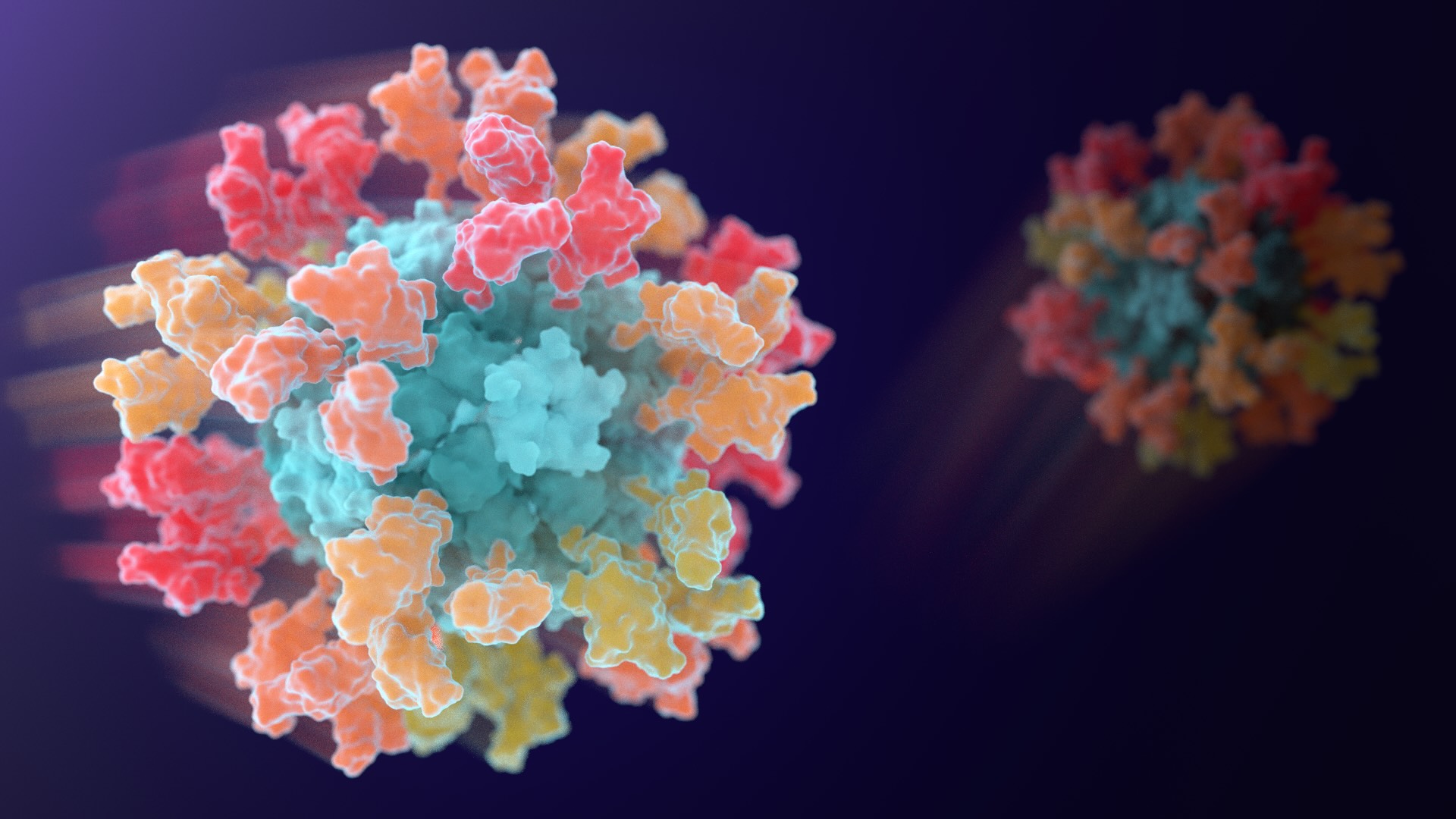
A vaccine called GBP511 has begun clinical testing in Australia. Pioneered by UW Medicine researchers, it is intended to protect against COVID-19 and related coronaviruses — including some that haven’t yet jumped to humans. South Korean pharmaceutical company SK bioscience is bringing the vaccine to trial.
“GBP511 is the first vaccine to reach human testing that is intended to protect against multiple strains of the virus that causes COVID-19 as well as related coronaviruses with the potential to spark dangerous outbreaks,” said Neil King, associate professor of biochemistry at UW Medicine and co-inventor of the nanoparticle platform underlying the vaccine. “This clinical trial is an important step toward broadly protective vaccines, and we are grateful for the team at SK bioscience for developing the vaccine and CEPI for their visionary support of it.”
What are sarbecoviruses?
Three major disease outbreaks in the past two decades — SARS, MERS, and COVID-19 — have been caused by coronaviruses. Sarbecoviruses are a subgenus of coronaviruses that includes SARS-CoV-2 (the virus that causes COVID-19), the original SARS-CoV virus, and numerous bat coronaviruses with pandemic potential.
How it works
The vaccine’s core is a computer-designed protein particle — a precise molecular assembly that does not exist in nature. To turn this tiny object into a vaccine, scientists at UW Medicine attached four receptor-binding domains (RBDs) from different coronaviruses — two from SARS-CoV-2, one from SARS-CoV-1, and one from a bat coronavirus (BtKY72) — on the surface.
“The beauty of this approach is that by presenting the immune system with multiple related antigens at once, we can train it to recognize features that are conserved across the entire sarbecovirus family,” said David Veesler, professor of biochemistry at UW Medicine and Howard Hughes Medical Institute Investigator, who led the preclinical studies. “That’s exactly what you need to prepare for unpredictable future threats.”
In preclinical studies, GBP511 protected animals from related viruses they weren’t directly immunized against.
About the trial
The international Phase 1/2 trial, which began enrollment in January 2026, will evaluate safety and immunogenicity in approximately 368 healthy adults at sites in Perth, Western Australia. The study will include comparisons with Comirnaty, and results are expected by 2028.
In a statement released by SK bioscience, CEO Jaeyong Ahn said, “Developing a universal sarbecovirus vaccine is a critical challenge that must be addressed to prepare for the next pandemic.”
A proven platform
GBP511 builds on technology validated through SKYCovione, a COVID-19 vaccine that in 2022 became the world’s first computer-designed medicine to achieve regulatory approval. That vaccine was also pioneered by the King and Veesler Labs at UW Medicine and developed by SK bioscience.
The underlying nanoparticle platform developed at the IPD has been validated in peer-reviewed studies, including a 2021 Cell paper showing that animals immunized with multivalent nanoparticle vaccines were protected against coronaviruses not included in the vaccine itself. A recent preprint describes the preclinical work that led to GBP511.
The Coalition for Epidemic Preparedness Innovations (CEPI) has supported the GBP511 program with approximately $65 million in funding.
Beyond coronaviruses
Additional vaccines that use this platform are being developed, including FluMos-v2, a next-generation influenza vaccine candidate now in Phase 1 clinical trials at the NIH. FluMos-v2 displays antigens from six influenza strains — expanding on the four-strain approach used in the earlier FluMos-v1 vaccine — to provide even broader protection against future flu outbreaks.