A new Seattle-based research coalition, AI BioDesign, was announced on September 3, bringing together scientists from the University of Washington, the Allen Institute, and Fred Hutch Cancer Center to build the next generation of AI-powered tools for biological design. Led by UW researchers David Baker, director of the UW Medicine Institute for Protein Design (IPD), and Jay Shendure, scientific director of the UW Medicine Brotman Baty Institute for Precision Medicine and the Seattle Hub for Synthetic Biology, the initiative seeks to learn the fundamental rules biology uses to build living systems and translate those rules into open scientific resources.
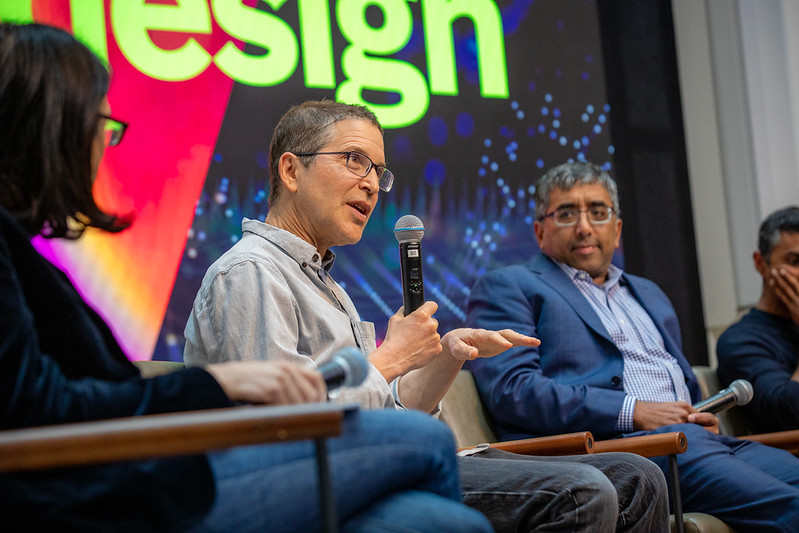
David Baker and Jay Shendure at the AI BioDesign launch event on September 3.
Photo by Erik Dinnel
This initiative will combine artificial intelligence, large-scale biological experimentation, and open science to create models, datasets, assays, and tools that researchers around the world can use to design new biological functions. The goal here is lofty: coding what we know about biological design to solve some of humanity’s stickiest medical, sustainability, and technology challenges. And the real-world applications are vast—from new therapies for cancer and neurodegenerative disease to enzymes capable of breaking down plastics to technologies that could one day perform computations using a fraction of the energy required by conventional electronics.
The emergence of this accelerator, which brings together complementary strengths across Seattle’s scientific ecosystem, reflects Seattle’s position as a research nexus for AI-enabled biological innovation. The Allen Institute contributes deep experience building large-scale open-science platforms; the University of Washington provides leadership in synthetic biology, genome sciences, and biological engineering; and Fred Hutch contributes expertise in genomics, cellular systems, and translational medicine. Together, the team aims to create open-source, reusable resources that will accelerate biological discovery far beyond the boundaries of these individual institutions.
The IPD’s role in building the future of biological design
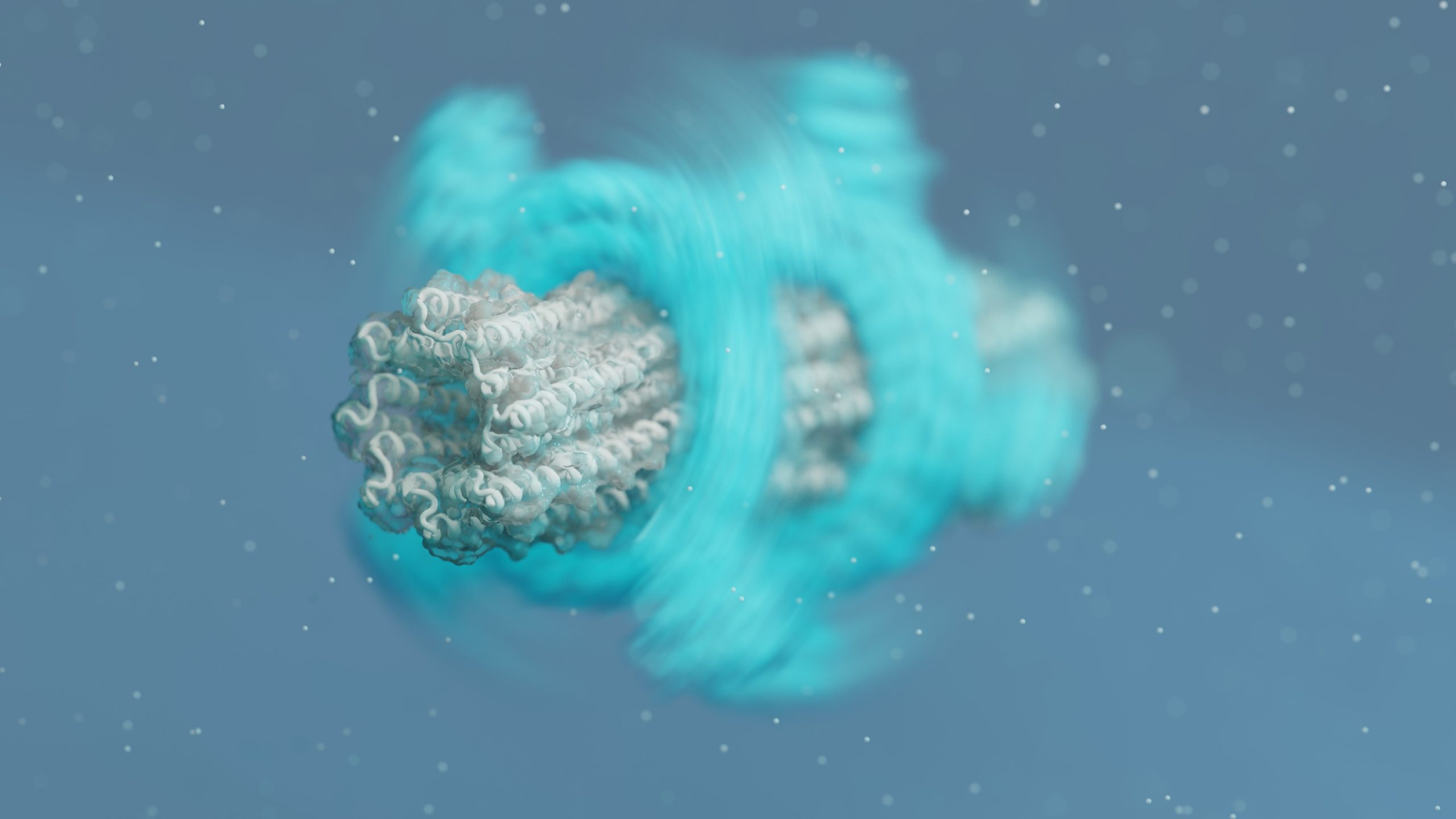
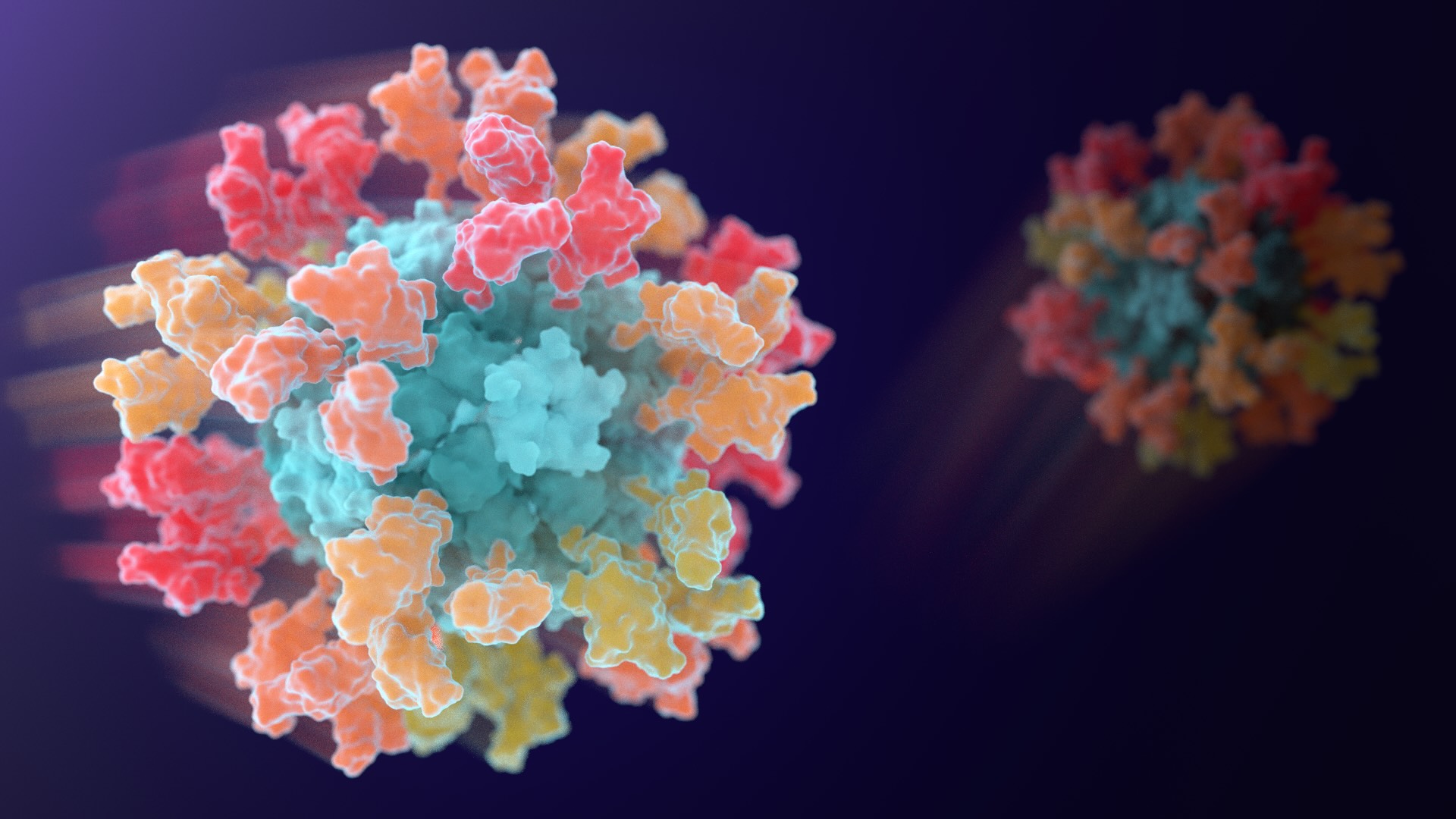
The IPD will play a central role in AI BioDesign’s efforts. For decades, scientists have primarily studied and modified existing biological molecules. But research coming out of the IPD in recent years has demonstrated that protein design need not be limited to (often clunky) solutions found through natural evolution. De novo protein design opens the door to “new builds,” unrestricted from prior evolutionary constraints.
Today, machine learning methods developed at the IPD can generate proteins that bind disease targets, catalyze chemical reactions, assemble into sophisticated nanostructures, and perform functions never before observed in nature. David Baker, on the current hang-ups his team faces, identified the need for “stronger links between computational design, high-throughput experimentation, and real-world deployment.” The accelerator aims right at the heart of that issue, creating a continuous design-build-measure-learn cycle in which AI models propose new biological designs, scientists build and test them at scale, and the resulting data improve future designs. In doing so, the team will reveal the broader principles that govern biological design, unlocking the capability to develop custom solutions for the most pressing human health and environmental problems.
AI BioDesign is supported by the Fund for Science and Technology (FFST), a private foundation in the Paul G. Allen philanthropic ecosystem. The initiative represents a nearly $95 million investment over five years in open, collaborative science designed to accelerate discoveries across biology and medicine.
Media Coverage:
- Inside Precision Medicine: AI BioDesign Accelerator Launches in Seattle to Advance Biomedical Discovery
- Axios Seattle: Seattle science powerhouses launch $95M AI biology project
- GeekWire: AI learns nature’s code: Allen Institute, UW and Fred Hutch launch $95M open science initiative
- Technology Networks: Synthetic Biology Meets AI in Initiative To Design Molecules
- Puget Sound Business Journal: New $95 million Seattle accelerator aims to design biological tools with AI