
Latest posts
-
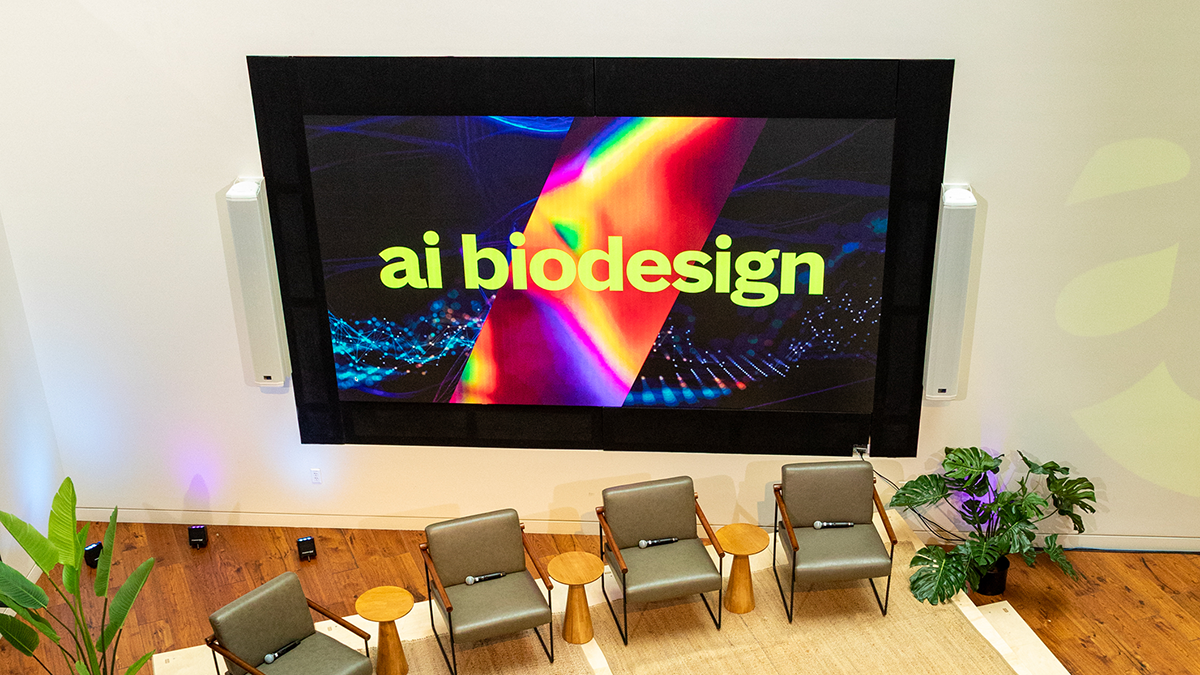
New Seattle-based coalition emerges to learn and codify nature’s design rules
A new Seattle-based research coalition, AI BioDesign, was announced on September 3, bringing together scientists from the University of Washington, the Allen Institute, and Fred Hutch Cancer Center.
-
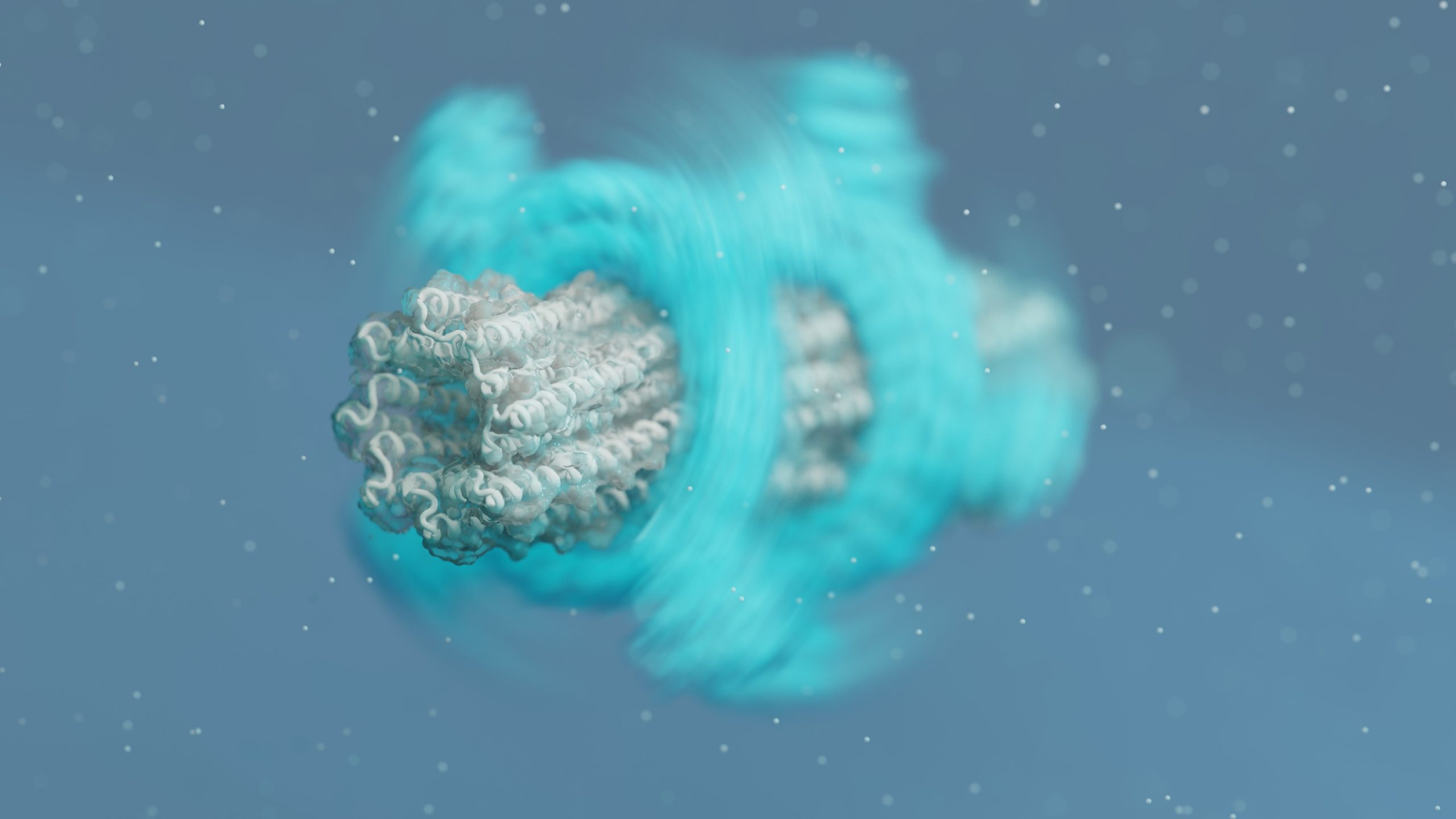
Custom computing for the next generation of protein design
The IPD is collaborating with NVIDIA to deliver the accelerations necessary for protein design pipelines to meet global grand challenges
-

A New Era for Protein Design in Oncology: Dr. Ahn Joins the IPD
Dr. Green Ahn joins the University of Washington Department of Biochemistry and the Institute for Protein Design as an Assistant Professor.
-
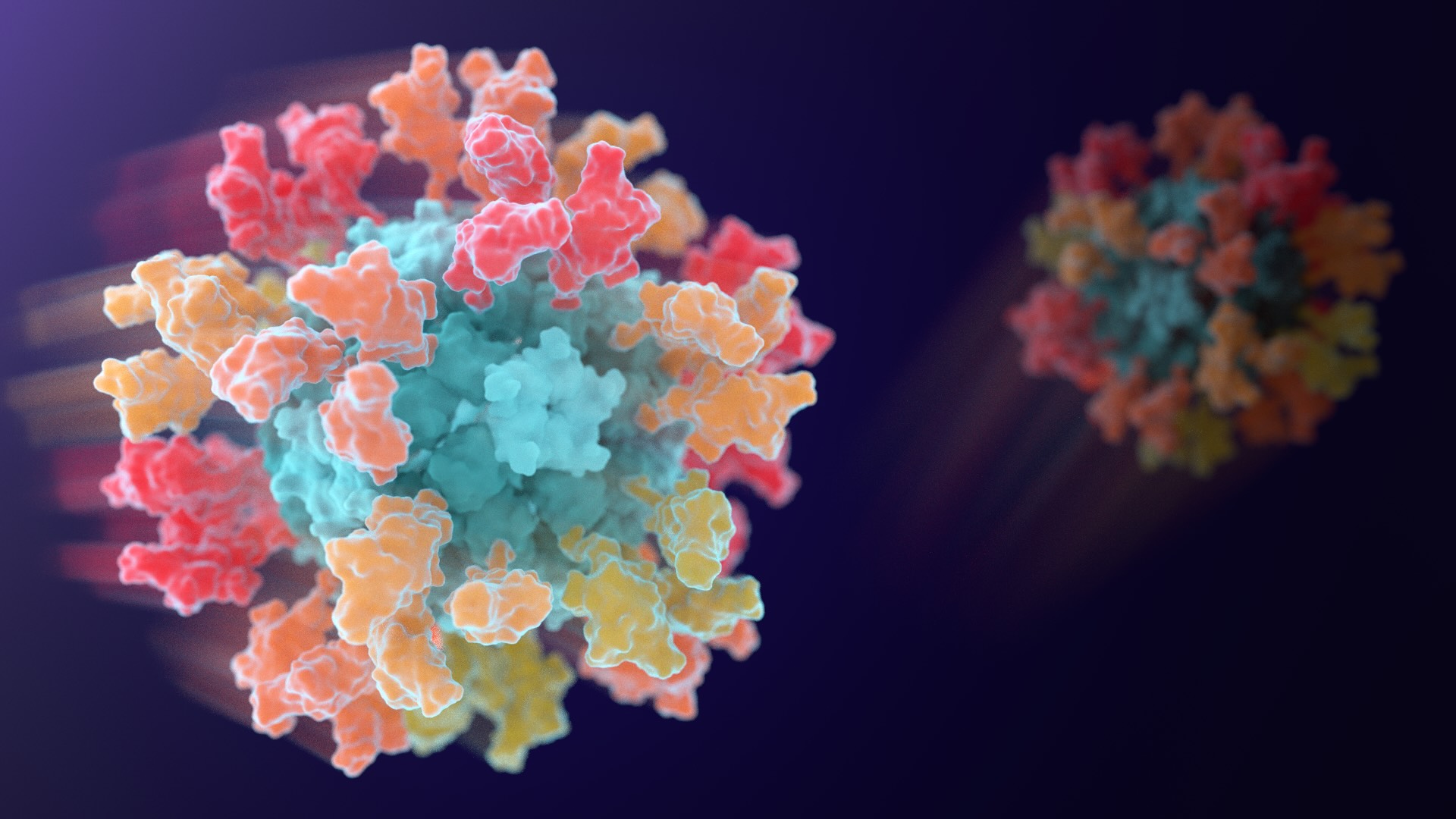
First vaccine targeting SARS virus family enters human trials
The computer-designed vaccine aims to protect against coronaviruses that haven’t yet emerged, including pandemic threats
-
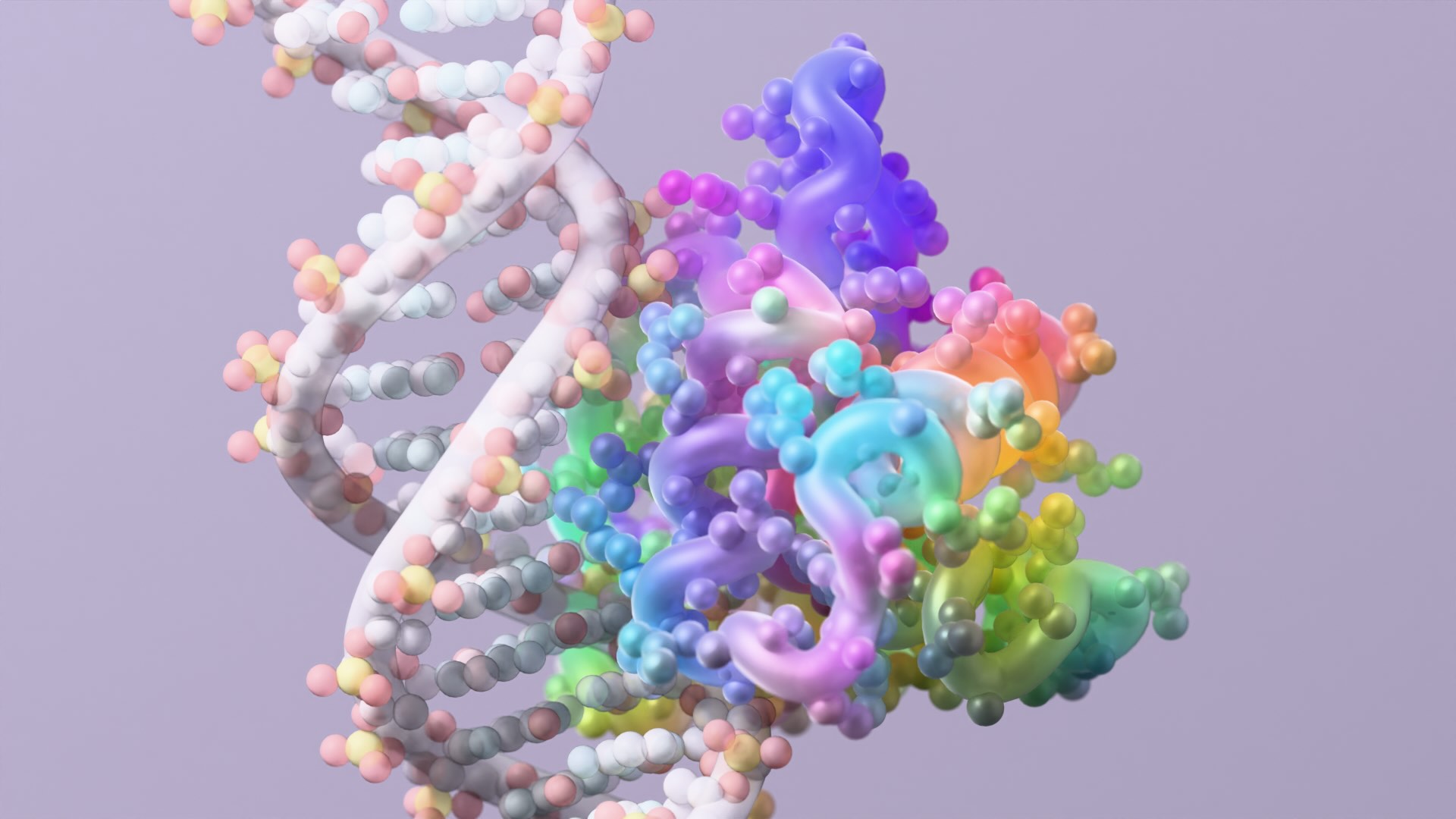
RFdiffusion3 now available
This foundation model for biodesign can generate proteins that interact with any type of molecule commonly found inside cells.
-
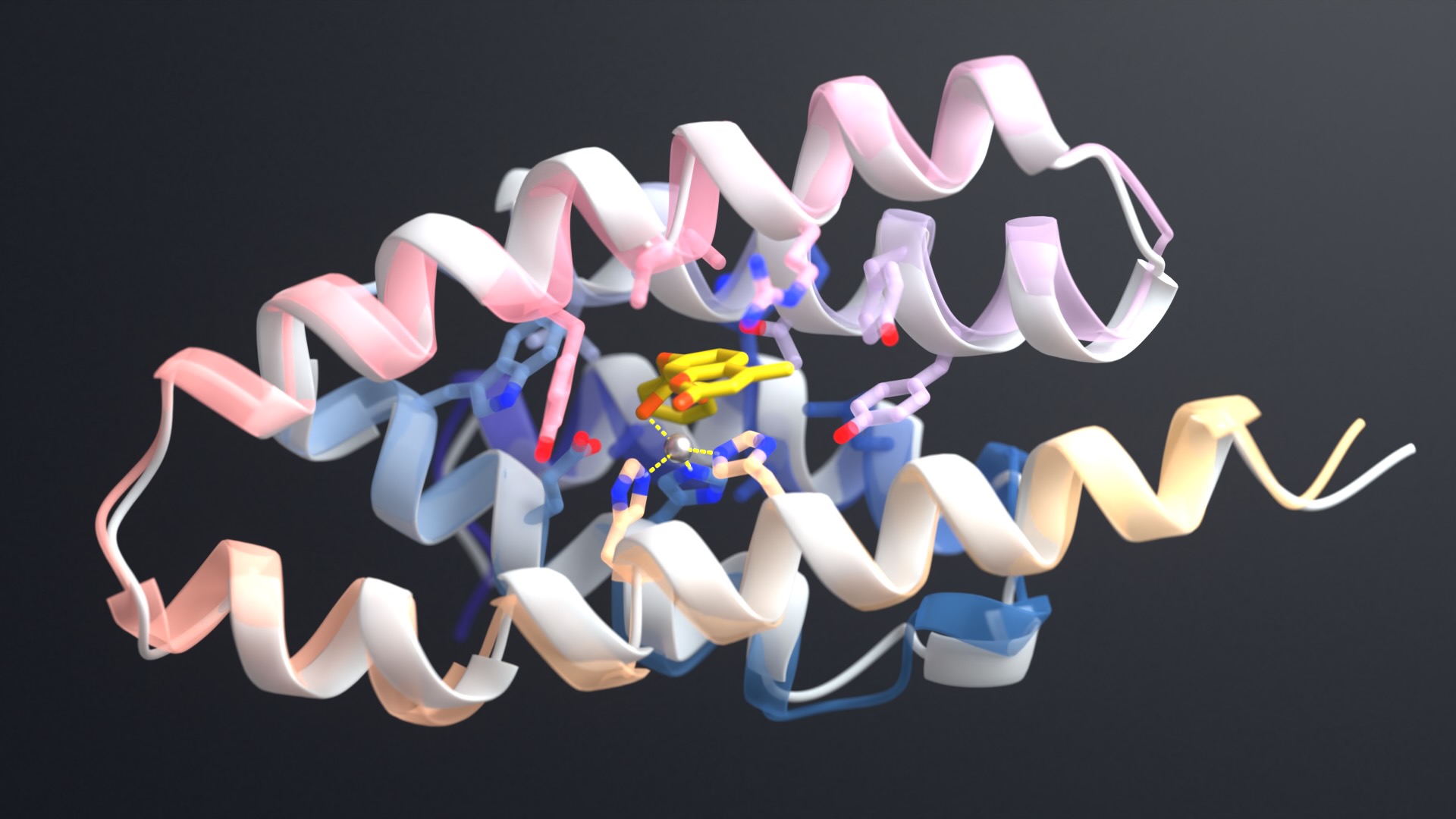
RFdiffusion2: efficient enzymes from prompts
AI model that creates catalysts in weeks instead of years opens the door to degrading pollutants and building new medicines.
-
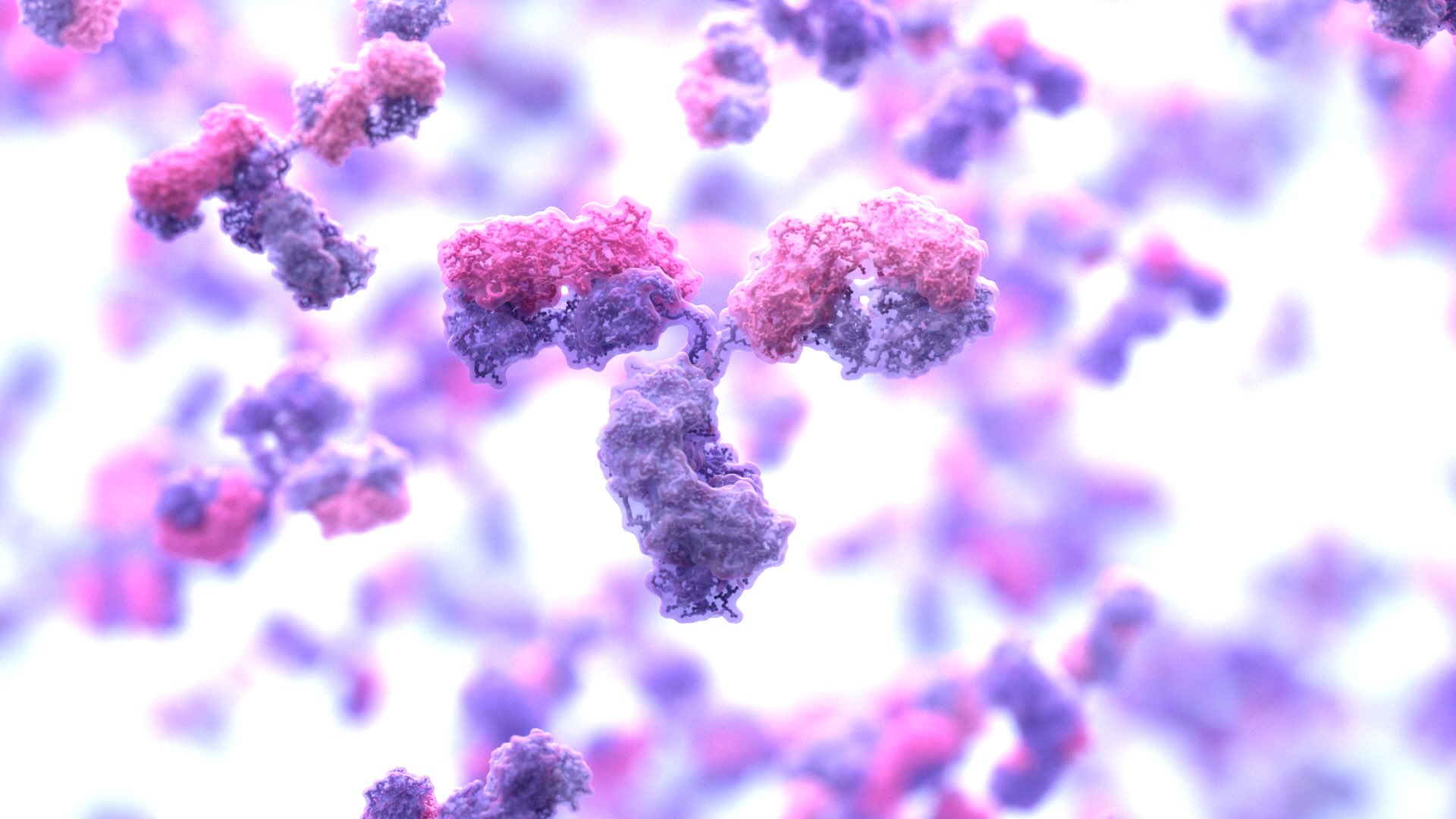
Teaching AI to build antibodies from scratch
Generating antibodies entirely on computers — no animal immunizations required — could unlock treatments for countless diseases.
-
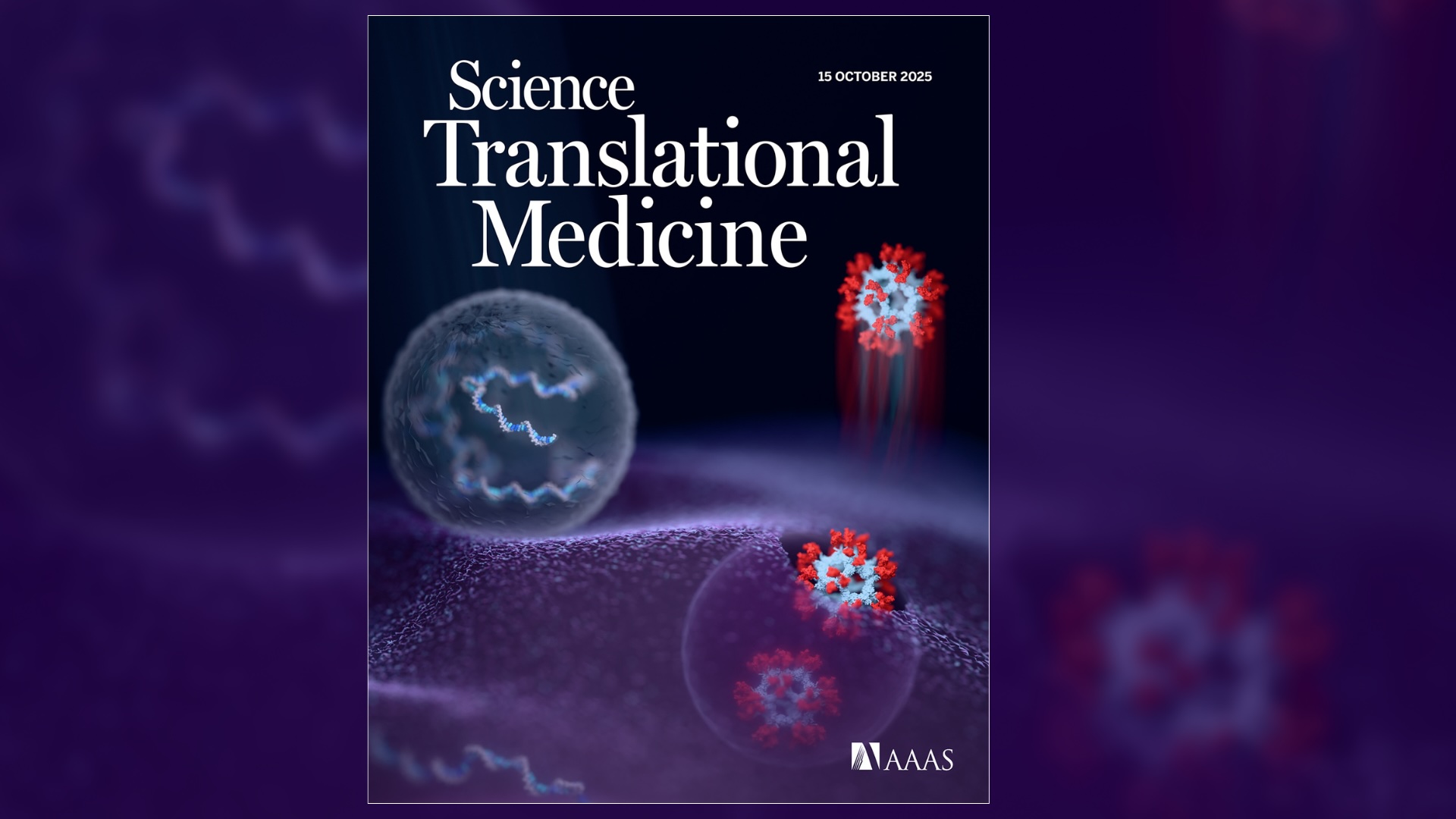
Delivering protein nanoparticle vaccines via mRNA
Combining the speed of mRNA and potency of design proteins yielded up to 28-fold more antibodies — and a platform technology that could transform how we respond to viral threats.
-
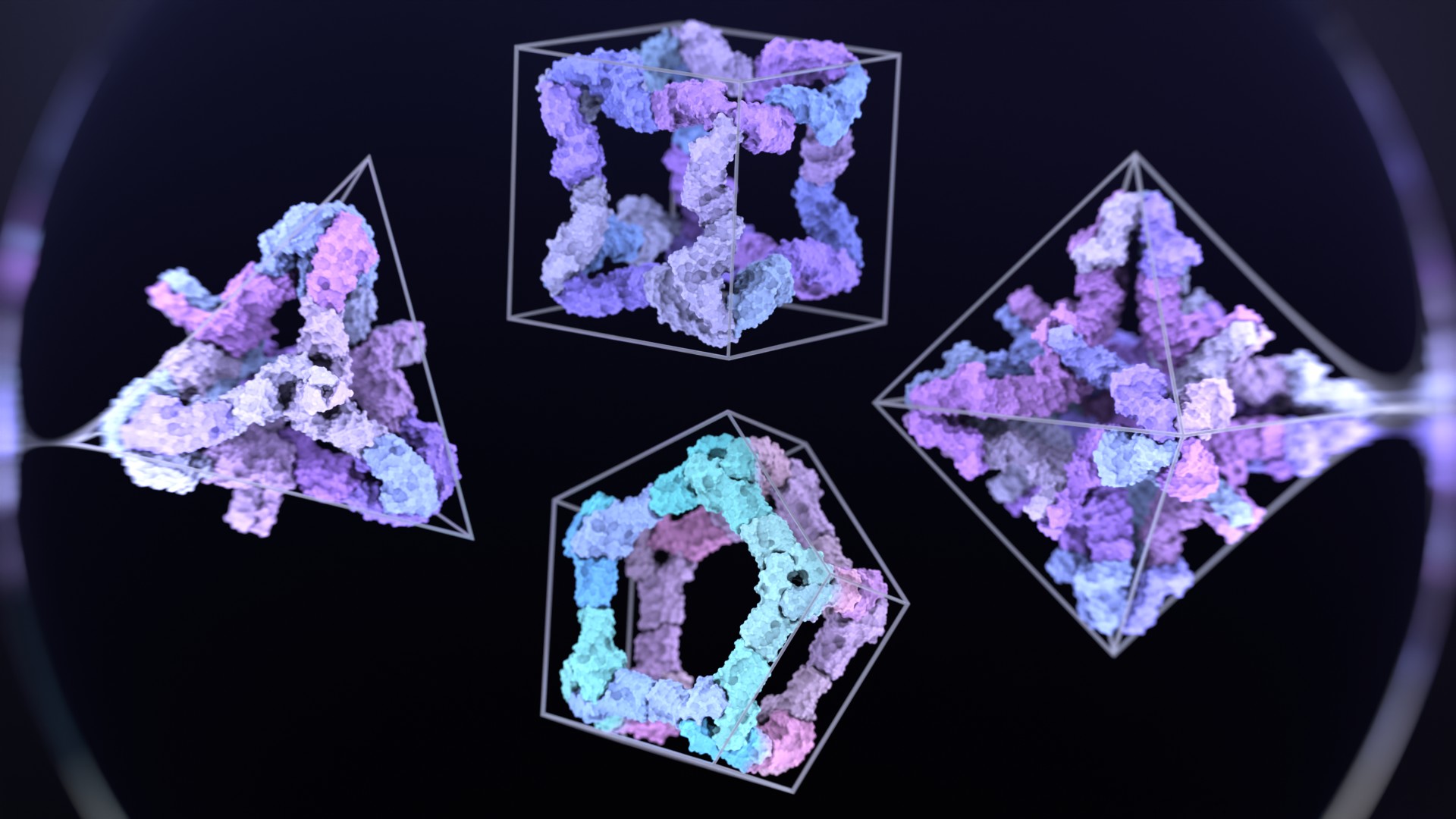
Creating multi-protein systems with atomic precision
Protein design is expanding from building single molecules to generating entire systems from scratch with parts that work together in ways nature never explored.
-
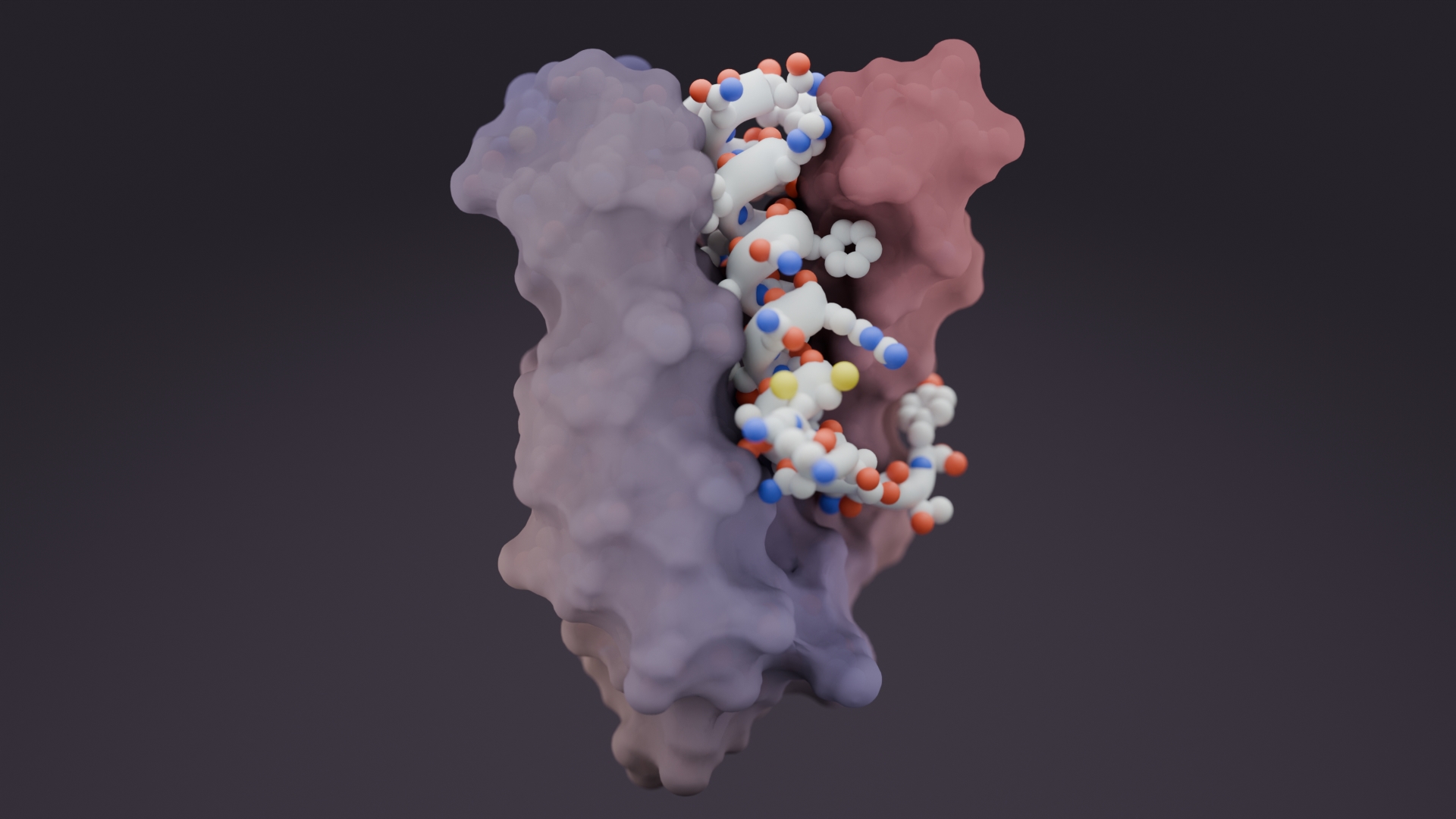
Hitting ‘undruggable’ disease targets
Custom proteins made with AI bind disordered proteins and peptides with atomic precision.